Gum Contouring Cost in 2026: Per Tooth vs Full Arch
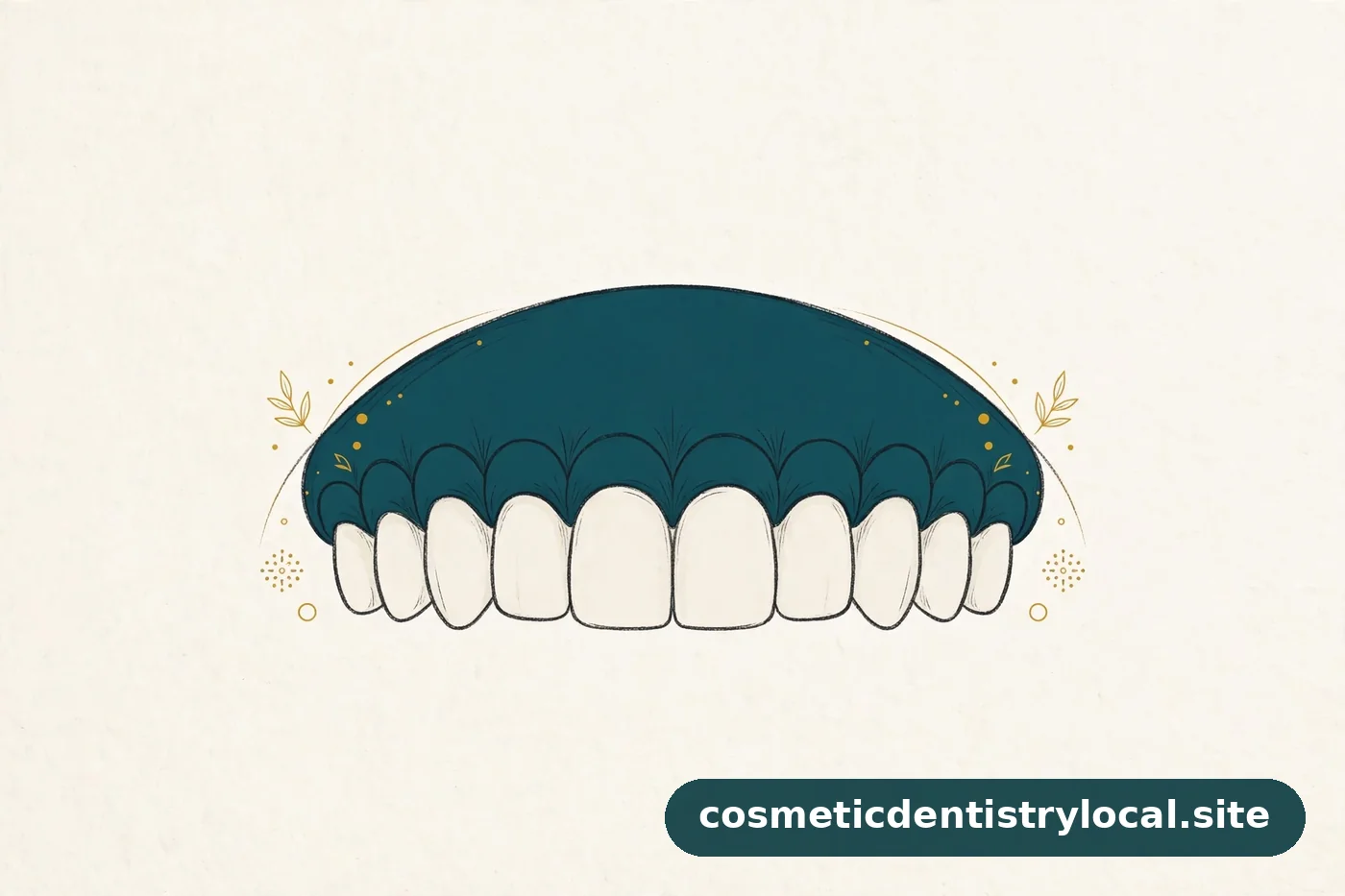
Gum contouring — reshaping the gumline for a more balanced smile — costs $100 to $400 per tooth or $1,500 to $3,000 for a full arch in 2026. CareCredit’s procedure costs list averages of $129 per tooth and $2,485 per arch. A more even gumline can transform a smile for less than a single veneer.
Per-Tooth vs. Full-Arch Pricing
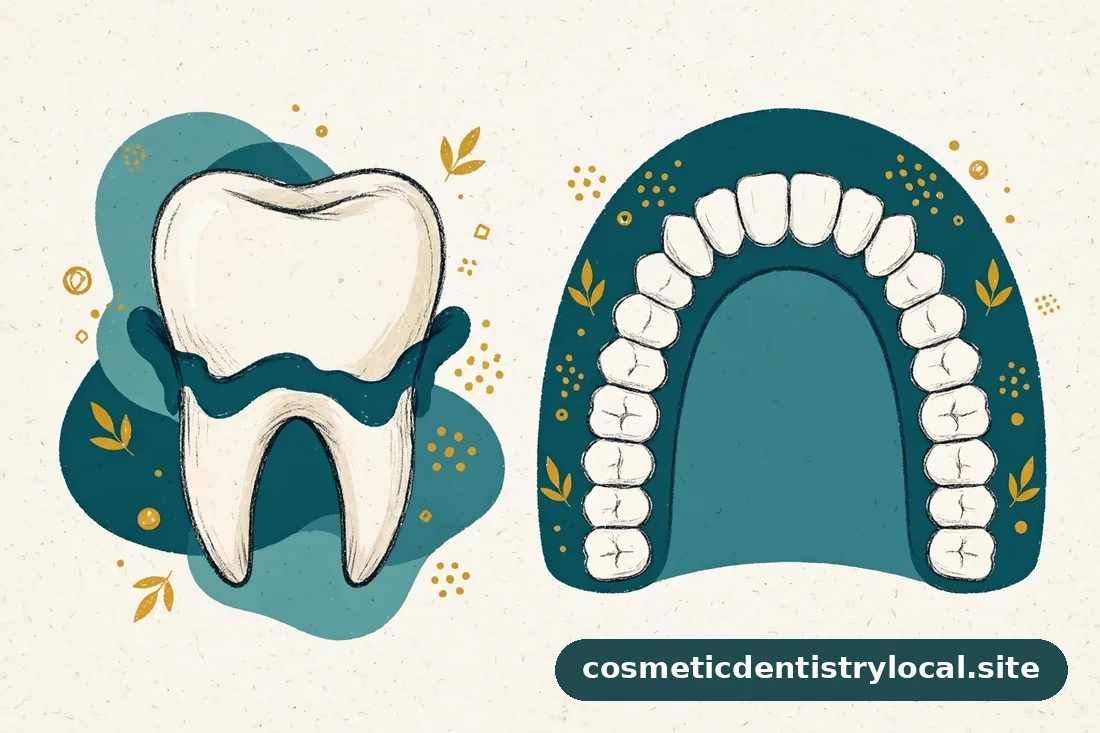
Gum contouring is priced two ways, and the structure you get depends on the extent of work:
| Scope | Typical range | National average | When it’s used |
|---|---|---|---|
| Per tooth (1–3 teeth) | $100–$400/tooth | $129 | Spot fixes — one uneven tooth, single crown-lengthening |
| Quadrant / section | $500–$1,200 | varies | Several adjacent teeth on one side |
| Full arch (upper smile line) | $1,500–$3,000 | $2,485 | Gummy smile correction across the visible teeth |
| Full mouth (upper + lower) | $2,000–$4,000+ | varies | Comprehensive reshaping |
The per-tooth average of $129 makes spot contouring one of the cheapest cosmetic procedures available — less than a third of the average bonding cost. But most aesthetic cases aren’t single-tooth: correcting a gummy smile typically involves the 6–10 teeth visible when smiling, which is why the full-arch figure ($2,485 average) is the more useful planning number.
What’s usually included: the contouring itself, local anesthesia, and follow-up checks. What’s sometimes extra: the initial consultation and smile analysis ($100–$300 if not bundled), and any restorative work planned for the newly exposed tooth structure (see below — this is the hidden cost to watch).
Key takeaways
- Gum contouring averages $129 per tooth or $2,485 for a full arch (CareCredit).
- Laser contouring typically costs more but heals faster with less bleeding.
- Best for gummy smiles and uneven gumlines on healthy gums — not a fix for gum disease.
- Often paired with veneers or crowns; plan the sequence (gums first, restorations second).
Laser vs. Traditional Contouring
Two techniques dominate, and the choice affects both price and experience:
Laser contouring uses a soft-tissue dental laser to vaporize excess gum. Advantages: the laser seals blood vessels as it works (minimal bleeding), sterilizes the tissue (lower infection risk), and usually means faster healing with less post-procedure discomfort. Many laser cases need only topical or local anesthesia and no stitches. The premium: laser contouring typically costs 20–40% more than scalpel work — expect the upper half of each range above.
Traditional (scalpel) contouring uses surgical instruments to trim the gumline, sometimes with stitches. It’s the established technique, widely available, and less expensive. Healing takes slightly longer and there’s more bleeding during the procedure, but the aesthetic outcome in skilled hands is equivalent.
For purely cosmetic reshaping of healthy gums, both methods produce excellent results — the difference is comfort and convenience, not the final smile. For cases involving bone recontouring (crown lengthening that exposes more tooth structure), the traditional surgical approach is sometimes necessary regardless of preference.
Ask which method the office uses and why. A practice that invested in a laser will recommend the laser; that’s fine, but the recommendation should include the price difference so you can decide whether the comfort premium is worth it to you.
Who It’s For (and Who It’s Not)
Gum contouring shines in specific situations:
Gummy smile. When 3–4mm or more of gum shows above the upper teeth when smiling, modest gum removal can dramatically improve proportions. This is the classic contouring case — often 6–10 teeth, full-arch pricing.
Uneven gumline. Gums that sit higher on some teeth than others make teeth look different lengths even when they’re not. Spot contouring evens the frame.
Before veneers or crowns. If the gumline is uneven, placing veneers first locks in the asymmetry. Contouring first lets restorations meet a balanced gumline. This sequencing — gums, then teeth — is standard in smile makeovers.
Crown lengthening for restorations. When a tooth is broken near the gumline, contouring exposes enough tooth structure for a crown to grip. This version is often medically necessary rather than cosmetic (see insurance below).
It’s not for:
- Active gum disease. Contouring diseased gums is putting cosmetics on an infection. Periodontal treatment comes first — always.
- Thin gum biotype with recession risk. Aggressive contouring on thin gums can cause recession later. A good dentist evaluates gum thickness before recommending.
- Bite problems masquerading as gum problems. Sometimes teeth look uneven because of how they erupted or how the bite sits — orthodontics, not contouring, is the fix.
The consultation should include gum health evaluation and measurements, not just a visual estimate. If a dentist quotes contouring without probing your gums and checking bone levels on X-ray, get a second opinion.
The Procedure and Recovery
Gum contouring is usually a single appointment of 30–90 minutes depending on scope. Local anesthesia keeps it painless — most patients report pressure but not pain during the procedure.
Recovery is straightforward:
- Days 1–3: Mild soreness, manageable with over-the-counter pain relief. Stick to soft foods; avoid spicy, crunchy, or very hot foods.
- Days 4–7: Soreness fades. Laser cases often feel normal by now; scalpel cases may take the full week.
- Weeks 2–4: Gums fully settle into their new shape. Final aesthetic result visible.
- Follow-up: Usually one check visit at 1–2 weeks, often included in the price.
The result is permanent — removed gum tissue doesn’t grow back. That’s good (no repeat procedures) and also why case selection matters: conservative contouring can be extended later, but over-contouring can’t be undone. When in doubt, ask the dentist to show you a digital preview or wax-up of the planned gumline before anesthesia.
One more sequencing note: if veneers or crowns are planned, they’re placed after the gums heal (typically 4–6 weeks). Rushing restorations onto unsettled gums risks margins that end up in the wrong place. Build this wait into your smile makeover timeline.
Insurance Angles
Purely cosmetic gum contouring — gummy smile correction, evening the gumline for appearance — is excluded from dental insurance like all cosmetic work. But gum contouring has more medically-necessary overlap than most cosmetic procedures:
Crown lengthening for restoration is often covered when it’s required to place a crown on a broken-down tooth. The insurer sees “enabling a medically necessary crown,” not “cosmetic gum reshaping.”
Treating altered passive eruption or impeding oral hygiene — when excess gum tissue traps plaque and contributes to periodontal problems — may qualify for partial coverage with documentation.
The key is diagnosis and documentation. If your dentist believes any portion is medically necessary, ask for a pre-treatment estimate submitted to insurance before scheduling. For the full landscape of what’s covered and what isn’t, see our cosmetic dentistry cost guide.
Gum Contouring + Veneers: The Combination Case
Gum contouring rarely travels alone — it’s most often one phase of a smile makeover, paired with veneers or crowns. The combination logic: the gums frame the teeth, so an uneven frame undermines even perfect restorations. Dentists call this “pink aesthetics” (gums) versus “white aesthetics” (teeth), and the best cosmetic results address both.
The economics of combining are worth understanding. A full-arch contouring ($2,485 average) plus 6 veneers ($8,730 average) totals around $11,200 — but doing them as one planned case is cheaper than doing them separately years apart, because the smile analysis, temporaries planning, and shade coordination happen once. Some offices also offer modest multi-procedure discounts when the work is planned as a single case.
The critical rule remains sequencing: gums heal first (4–6 weeks), then final impressions for veneers or crowns. A dentist who proposes placing veneers two weeks after contouring is cutting the healing window short — gum tissue that’s still settling can leave restoration margins exposed or submerged as it finalizes. Patience here protects a five-figure investment.
FAQ
How much does gum contouring cost?
$100–$400 per tooth for spot work (national average $129), or $1,500–$3,000 for a full arch (average $2,485), per CareCredit’s published procedure costs. Laser contouring typically runs 20–40% above scalpel pricing. Most aesthetic cases need full-arch work across 6–10 visible teeth.
Is gum contouring painful?
The procedure itself is painless under local anesthesia — patients typically feel pressure but not pain. Afterward, expect mild soreness for a few days, manageable with over-the-counter pain relief. Laser procedures generally involve less post-operative discomfort than scalpel procedures.
How long does gum contouring last?
Permanently — removed gum tissue doesn’t regrow. That’s why conservative planning matters: the result is a one-way change. With good oral hygiene, the reshaped gumline stays stable indefinitely, though natural gum recession with age can still occur over decades.
Can gum contouring fix a gummy smile?
Often, yes — it’s the primary treatment for gummy smiles caused by excess gum tissue. If the gummy appearance comes from a short upper lip, jaw position, or how teeth erupted, contouring alone may not suffice; orthodontics or other approaches might be needed. A proper diagnosis distinguishes these causes before any treatment.
Does insurance cover gum contouring?
Cosmetic contouring: no. But crown lengthening required for a medically necessary crown, or contouring to address tissue that impedes hygiene, may get partial coverage with documentation. Ask for a pre-treatment estimate to find out which parts (if any) your plan covers.
What’s the difference between gum contouring and crown lengthening?
They’re related but distinct. Gum contouring reshapes the gumline for aesthetics. Crown lengthening removes gum (and sometimes bone) to expose more tooth structure so a crown can be placed — it’s usually functional/restorative. In practice the techniques overlap, and the terms are sometimes used interchangeably, but the reason for the procedure determines the insurance picture.
This is general information, not medical or dental advice — talk to your dentist about your situation.