Lumineers vs Veneers: Cost, Prep, and Honest Comparison
Lumineers — the best-known brand of no-prep veneers — cost $1,243 to $2,997 per tooth, averaging $1,781: the priciest veneer category. Traditional porcelain veneers average $1,455 per tooth. Both figures come from CareCredit’s 2026 veneers cost guide. The real differences go beyond price: prep vs. no-prep, reversible vs. permanent, subtle vs. dramatic.
What Lumineers Actually Are
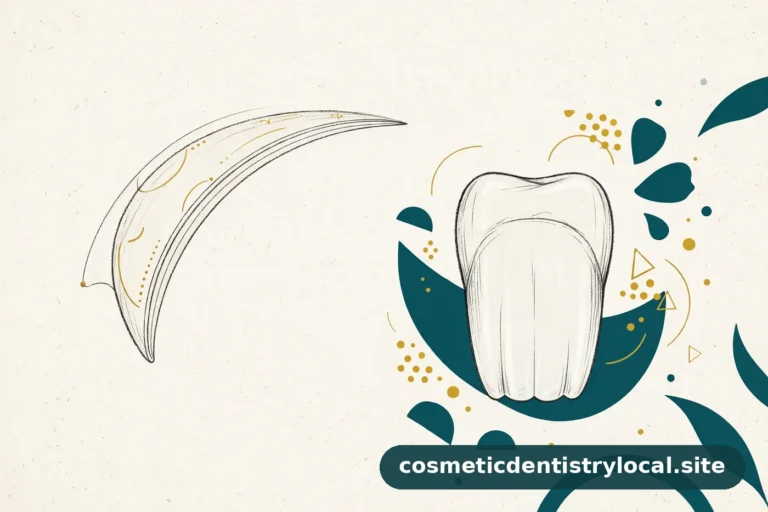
Lumineers are a brand of porcelain laminate veneers made ultra-thin — about 0.2 millimeters, versus roughly 0.5mm for traditional porcelain veneers. That thinness is the whole proposition: at 0.2mm, the shell can often be bonded directly onto the tooth with little or no enamel removal. CareCredit’s guide describes porcelain laminates like Lumineers as “no-prep” or “minimal-prep” veneers that “can typically be applied without the removal of any of your tooth enamel, so they are often reversible.”
“Lumineers” is a trademark (DenMat Holdings), but the category — no-prep / minimal-prep veneers — includes other brands and lab-made thin laminates. Dentists may offer generic no-prep veneers at different prices than branded Lumineers. When comparing quotes, clarify whether you’re being quoted the brand or the category.
Key takeaways
- Lumineers/no-prep veneers average $1,781 per tooth — the priciest veneer category.
- Traditional porcelain veneers average $1,455 per tooth but require irreversible enamel removal.
- No-prep veneers are often reversible; traditional veneers are a permanent commitment.
- Best candidates for no-prep: minor cosmetic issues on healthy, well-aligned teeth.
Cost Comparison
| Lumineers / no-prep veneers | Traditional porcelain veneers | |
|---|---|---|
| Average per tooth | $1,781 | $1,455 |
| Typical range | $1,243–$2,997 | $1,020–$2,506 |
| 6 teeth at average | $10,686 | $8,730 |
| 8 teeth at average | $14,248 | $11,640 |
The ~$326-per-tooth premium for no-prep adds up fast: on a 6-tooth case it’s roughly $2,000 more. What you’re buying with that premium is primarily the reversibility and the no-drilling experience — the materials and lab work for ultra-thin laminates are technically demanding, which is part of why they cost more, not less, despite requiring less chair time.
Note that these are national averages from published research. Individual quotes vary by region and provider — and some dentists price no-prep veneers identically to traditional porcelain, rolling the difference into their overall fee structure. Always compare itemized quotes, not category averages.
Prep: The Fundamental Difference
This is the decision that matters most, because it’s about your teeth, permanently.
Traditional porcelain veneers require removing about 0.5mm of enamel — roughly the thickness of a fingernail, but enamel doesn’t grow back. Once removed, that tooth will always need a veneer or crown. It’s a lifetime commitment made in a single appointment. The upside of prep: the dentist can reshape the tooth underneath, which allows more dramatic transformations — closing larger gaps, correcting rotations, changing tooth proportions.
No-prep veneers are bonded onto the unaltered (or minimally altered) tooth surface. No drilling, usually no anesthesia, and the process is often reversible — the shells can be removed later leaving the natural tooth intact. The appointment is quicker and more comfortable.
The tradeoff nobody should gloss over: no-prep veneers add volume. A 0.2mm shell on top of a full-size tooth makes the tooth 0.2mm thicker on the front. On teeth that are small, set back, or worn, that’s invisible or even beneficial. On teeth that are already prominent or thick, no-prep veneers can look bulky — the classic “horse teeth” complaint comes from no-prep shells placed on unsuitable teeth, not from the product itself.
A skilled cosmetic dentist is candid about candidacy: roughly speaking, no-prep works best when the underlying teeth are in good position and shape and the goal is shade, minor shape refinement, or small gap closure. Significant misalignment, large gaps, or major reshaping usually need traditional prep.
Aesthetics and Results
Traditional veneers offer the widest aesthetic range. Because the dentist reshapes the tooth, the ceramist has room to build ideal proportions, translucency, and characterization. The most dramatic smile transformations — the ones that look like different teeth entirely — are traditional-prep cases.
No-prep veneers produce more subtle, natural-looking enhancements. The ultra-thin porcelain is quite translucent, which looks natural on suitable teeth. But the dentist can’t change what’s underneath, so the result is constrained by the starting tooth’s shape and position.
Neither is inherently more “natural-looking” — that depends on the ceramist, the shade selection, and honest case selection. An over-prepped traditional veneer in the wrong shade looks fake; a well-planned no-prep case on ideal teeth looks effortlessly natural. The portfolio test applies to both: ask to see the dentist’s own cases of the specific type you’re considering.
One practical note: because no-prep veneers are so thin, they’re slightly more translucent, which means dark underlying tooth color can show through. Severely discolored teeth (tetracycline staining, post-trauma darkening) usually need the opacity that only prepped veneers or crowns provide.
Lifespan and Maintenance
Both types are porcelain and share porcelain’s durability profile: 10–20 years with proper care, per published guides. In practice:
- Traditional veneers have a slight edge in bond strength — the prepared surface gives the cement more to grip, and the thicker porcelain resists fracture marginally better.
- No-prep veneers can debond slightly more often (thinner porcelain, less retentive surface), but they’re also easier to remove and replace precisely because less tooth was altered.
- Both stain far less than composite alternatives, both can chip if you chew ice or grind without a night guard, and neither can be whitened (whiten natural teeth first, as always).
Maintenance is identical: brush, floss, regular cleanings, night guard if you grind, and don’t use your teeth as tools. The aftercare doesn’t differ — the difference was all in the prep appointment.
For the full picture on how each veneer type compares with composite options, see our composite vs. porcelain veneers comparison and the broader veneers vs. bonding guide.
Who Should Choose Which
Consider no-prep veneers (Lumineers-type) if:
- Your teeth are healthy, well-aligned, and the changes you want are modest
- Reversibility matters to you — you want the option to remove them later
- You want to avoid drilling and anesthesia
- Your teeth are on the smaller side or set slightly back (the added 0.2mm helps, not hurts)
Consider traditional porcelain veneers if:
- You want a dramatic transformation in shape, not just shade
- You have gaps, rotations, or proportions that need actual reshaping
- Your teeth are severely discolored (need the opacity)
- Your teeth are already prominent (no-prep would look bulky)
- You want the maximum range of aesthetic control
Consider neither (yet) if:
- You have untreated gum disease, decay, or bite problems — health work comes first
- Your main concern is color alone — professional whitening at $400–$1,200 may solve it
- The issue is a single chip or small gap — bonding at $100–$600 per tooth may be the smarter first step
The honest summary: no-prep veneers are a genuine innovation for the right cases, not a marketing gimmick — but “right cases” is doing heavy lifting in that sentence. The dentist’s case selection matters more than the product brand. A dentist who recommends no-prep for unsuitable teeth is selling; one who talks you out of it toward traditional prep (or toward whitening) is advising.
FAQ
How much do Lumineers cost per tooth?
$1,243 to $2,997 per tooth, averaging $1,781 nationally (CareCredit, 2026 research). That makes them the most expensive veneer category — about $326 more per tooth than traditional porcelain veneers ($1,455 average). A 6-tooth Lumineers case averages around $10,686 before consultation and any prep work.
Are Lumineers better than traditional veneers?
Neither is universally better. Lumineers avoid enamel removal and are often reversible, with a quicker, anesthesia-free procedure. Traditional veneers allow more dramatic reshaping, slightly stronger bonding, and better masking of dark teeth. The right choice depends on your teeth’s current shape, position, and color — and your goals.
Are Lumineers really reversible?
Often, yes — that’s their defining advantage. Because little or no enamel is removed, the shells can usually be taken off leaving the natural tooth intact. “Reversible” assumes truly minimal prep; if the dentist did need to adjust the tooth, full reversibility may not hold. Ask your dentist specifically how much (if any) enamel will be removed in your case.
Do Lumineers look bulky?
They can, on the wrong teeth. A 0.2mm shell adds volume to the tooth’s front surface — invisible on small or set-back teeth, but potentially bulky on already-prominent teeth. This is a case-selection issue, not a product flaw. Ask to see the dentist’s own no-prep cases on teeth similar to yours.
How long do Lumineers last?
Comparable to traditional porcelain veneers: 10–20 years with proper care. They’re made of the same class of material (porcelain/ceramic). Longevity depends on oral hygiene, grinding habits, and avoiding hard foods — the same factors that govern all veneers.
Why do Lumineers cost more than regular veneers if there’s less work?
The ultra-thin porcelain is technically demanding to fabricate — the lab work is specialized, and fewer labs do it well. You’re also paying for the reversibility premium and the brand. Some dentists price no-prep and traditional veneers the same; the category average reflects the premium labs charge for the specialized fabrication.
Can I get Lumineers on just my two front teeth?
Yes — single-tooth and two-tooth no-prep veneers are common for fixing a slightly discolored or misshapen front tooth. The same candidacy rules apply: the tooth should be well-positioned and not severely dark. Shade-matching a single ultra-thin shell to neighboring natural teeth takes skill, so review the dentist’s single-tooth cases specifically, not just full-smile portfolios.
This is general information, not medical or dental advice — talk to your dentist about your situation.