14 Questions to Ask Before Getting Veneers (2026 Checklist)
A veneer consultation is a sales conversation and a medical one at the same time — which is why you should arrive with your own questions. These fourteen cover what veneers really cost, how much enamel you’ll lose forever, who’s actually making them, and what happens in 15 years. Bring the checklist; a good dentist will welcome it.

Why this checklist exists
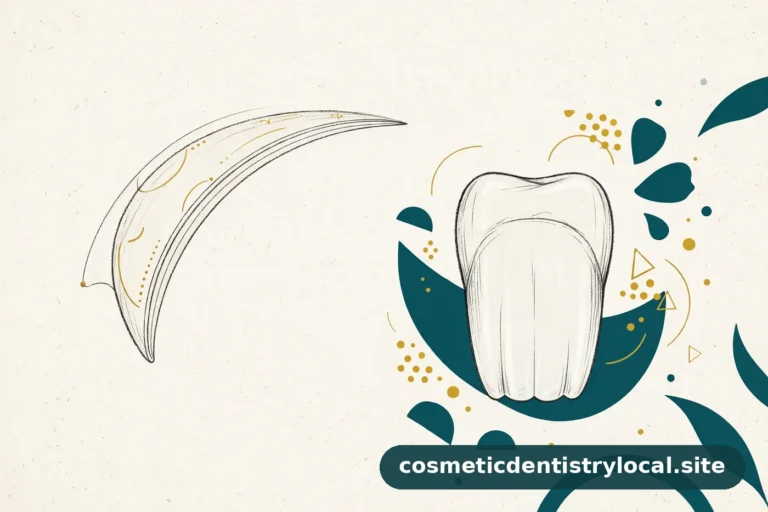
Getting veneers is one of the few purchases where you alter healthy tissue permanently. Traditional porcelain veneers require removing about 0.5 mm of enamel, and enamel doesn’t grow back — once veneered, those teeth will always need a veneer or crown. That irreversibility, noted in the ADA’s patient guidance (via September 2026 press coverage of cosmetic-dentistry second opinions), is exactly why a quiet 2026 trend has patients booking second opinions before major smile work: not to disagree with the first dentist, but to understand the plan’s scope and its long-term implications before committing.
These questions do the same job at your first consultation. They separate thorough clinicians from fast sales processes — and they give you the information a second opinion would ask about anyway.
The 14 questions
1. Am I actually a candidate for veneers, or would something smaller do the job?
Ask this first and listen carefully. Many beautiful results come from whitening plus bonding rather than a full veneer set. A dentist who mentions conservative alternatives before quoting porcelain is giving you informed consent; one who only shows veneer plans may be selling a product line. Our porcelain veneer price guide shows how often whitening and bonding ($100–$600/tooth) can replace a five-figure plan.
2. What is the full written total — not just the per-tooth number?
Per-tooth quotes are the headline; the total is the bill. Ask for an itemized written estimate covering consultation fees, diagnostic wax-ups or digital previews ($100–$500), the veneers themselves ($925–$2,500/tooth in 2026), temporaries, follow-up visits, and any preparatory work like gum contouring. Verbal “around $12,000” quotes have a way of becoming $16,000 at bonding day.
3. How much of my enamel will be removed — and is it reversible?
This is the irreversibility question. Traditional veneers remove ~0.5 mm of enamel; minimal-prep removes 0.3–0.5 mm; true no-prep removes essentially none. The amount determines whether the choice can ever be undone — minimal-prep generally isn’t reversible, while true no-prep often is. Get the answer in writing for your teeth, not veneers in general.
4. How many teeth do you recommend treating — and why that number?
Some plans include more teeth than your smile actually displays. Ask the dentist to show you, in the mirror or on photos, exactly which teeth show when you smile broadly. Treating the visible four to six, whitening the rest, routinely cuts quotes nearly in half. If the plan covers ten teeth when six show, ask what the extra four are for.
5. Can I see photos of YOUR cases — not stock images?
Published 2026 veneer guidance repeats this for a reason: any experienced cosmetic dentist has a portfolio of their own before-and-after cases, ideally including cases similar to yours. A $2,400 veneer from a renowned practice and a $950 veneer from a general dentist can both be fairly priced — but you should see evidence of what each fee actually buys.
6. Who makes the veneers, and where?
The ceramist’s skill is half the result. Ask whether the veneers are made in-house, by a local US lab, or overseas. Overseas labs aren’t automatically bad, but you should know where your ceramics are made and what quality controls apply. Same-day milled veneers differ from hand-layered feldspathic porcelain in translucency and strength — ask which you’re getting and why.
7. Can I see a preview before you touch my teeth?
Digital smile design, wax-ups, and 3D-printed try-ins now let patients preview their future smile — sometimes through augmented reality — before any enamel is removed. A 2026 industry guide notes AI-driven design platforms can generate a personalized veneer blueprint from scans in seconds (Roomgic 2026 guide). If a practice offers no preview method at all, that’s a yellow flag at this price level.
8. What happens to my bite — and my grinding?
Veneers change the biting surfaces of your front teeth. Ask how the plan accounts for your bite, and specifically: do you clench or grind at night? If yes, a night guard ($100–$600) is part of the true cost, and the dentist should say so unprompted. Porcelain on a grinder without protection is a warranty claim waiting to happen.
9. What’s your policy on remakes and adjustments?
Even excellent dentists occasionally need to adjust shade, length, or fit. Ask: how many try-in rounds are included? If a veneer looks wrong at delivery, is the remake free? Get the boundary — most good practices remake promptly, but you want the policy before the veneer is cemented, not after.
10. How long should these last, and what will replacement cost?
Ten to fifteen years is the reliable expectation for porcelain; well-maintained veneers on a non-grinder can exceed twenty. Then ask the harder follow-up: what will replacing one cost at this practice today ($1,000–$2,500 per tooth in 2026) — and should you budget mentally for redoing the set every 10–15 years? Our article on veneer longevity and replacement costs walks through the lifetime math.
11. Are you a licensed dentist, and will a licensed dentist do all the work?
This sounds obvious, but the rise of social-media “veneer technicians” makes it necessary: veneer placement involves enamel removal and bonding that the ADA considers irreversible, and the ADA has stepped up warnings about veneer procedures done by unlicensed individuals — including risks of severe pain, nerve damage, and tooth loss when unqualified hands go too deep (SRN News, citing ADA). Confirm credentials and confirm who does the prep.
12. What could go wrong, specifically?
Ask for the honest downsides, not the brochure: temperature sensitivity for weeks or months, chipping risk, color mismatch as natural teeth age (porcelain doesn’t respond to whitening), and the possibility that aggressive prep could eventually require root canal treatment. A dentist who answers plainly is more trustworthy than one who waves it off.
13. Will my insurance or HSA/FSA help at all?
Almost certainly not for purely cosmetic veneers — dental insurance classifies them as cosmetic. But ask anyway, especially if any tooth is cracked or structurally compromised: occasionally a restoration qualifies as medically necessary repair. Also know that FSA/HSA funds generally can’t be used for purely cosmetic work. Get the office to run a pre-treatment estimate so you know for certain.
14. What would you do if this were your mouth?
The most revealing question. A good cosmetic dentist will sometimes say: “Honestly? I’d whiten and bond two teeth, not veneer eight.” The September 2026 second-opinion coverage quoted a Beverly Hills dentist putting it plainly: what matters is that the patient understands why the treatment is recommended and what it means for those teeth five, ten, or twenty years from now. If your dentist’s answer to question 14 matches the written plan, sign with confidence.

How to use the answers
Treat the checklist like comparison shopping, not interrogation. Ask the same questions at two or three consultations and compare the answers, not just the prices. Watch for these signals:
- Consistency across offices on the clinical facts (enamel removal, candidacy, expected lifespan) means you’re hearing the truth. Wildly different diagnoses mean someone needs a second look.
- Written totals beat verbal ranges. An office that won’t itemize before you commit won’t be easier to deal with after.
- Enthusiasm for question 14. Defensiveness about “what would you do” is the single biggest red flag on this list.
And if the full porcelain plan stretches you thin, remember the published-planning wisdom: start with whitening and bonding, live with the result for a year, and revisit. Beautiful teeth are worth investing in — only at a pace your finances and your enamel can sustain. Our guide to what affects your quote breaks down the 17 cost factors behind the numbers so you can negotiate the plan, not just the price.
Key takeaways
- Ask about enamel removal and reversibility first — veneers are a permanent alteration of healthy teeth.
- Demand a written, itemized total: consultation, previews, veneers, temporaries, follow-ups.
- Verify credentials and see the dentist’s own cases; the ADA warns against unlicensed “veneer technicians.”
- The 2026 second-opinion trend exists for a reason: understand the plan’s 20-year implications before signing.
FAQ
Should I really get a second opinion before veneers?
For a five-figure irreversible treatment, yes — and it’s increasingly normal. A September 2026 report noted cosmetic dentists now offer second-opinion consultations specifically to review proposed plans, alternatives, and long-term implications. The goal isn’t always a different plan; it’s understanding why the treatment was recommended.
What’s the single most important question on this list?
Question 3 — how much enamel is removed and whether it’s reversible. Everything else (cost, aesthetics, longevity) flows from how much tooth structure the plan sacrifices. A plan that preserves enamel is almost always the safer starting point.
How many consultations should I book?
Two to three, minimum. Published veneer-planning guidance consistently recommends interviewing multiple dentists with their own before-and-after portfolios. You’re comparing clinical judgment as much as price — and it only takes one consultation to discover a cheaper, smaller plan that achieves your goal.
Is it rude to bring a checklist to the dentist?
No — good cosmetic dentists welcome it. A checklist signals that you’re an informed patient who’ll follow aftercare instructions and have realistic expectations. If an office seems annoyed by questions, take that as information about how they’ll handle your concerns after treatment.
Sources: opened and verified — 2026 veneer pricing ($925–$2,500/tooth, consultation and preview costs, replacement $1,000–$2,500) from CreamyTales; ADA irreversible-enamel and second-opinion context plus $189B national dental expenditure figures from the September 11, 2026 FinancialContent release; national average $1,765/tooth from Roomgic’s 2026 guide.
This is general information, not medical or dental advice — talk to your dentist about your situation.